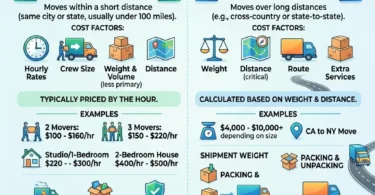

Moving can be exciting, but it can also be expensive. Whether you are moving to a nearby apartment, a larger home, a new city, or across the country, hiring movers can save time, reduce stress, and protect your belongings. But the final cost can vary a lot.
A small local move may cost a few hundred dollars. A larger long-distance move can cost several thousand dollars. If you add packing, storage, stairs, specialty items, long carry fees, insurance, fuel surcharges, or last-minute booking, the cost can rise quickly.
That is why homeowners and renters often ask:
How much does a moving company cost?
The answer depends on distance, home size, item weight, number of movers, labor hours, packing services, truck access, stairs, elevators, storage needs, season, and whether the move is local or long-distance.
In 2026, Angi says local movers typically charge around $877 to $2,553, while long-distance moves may range from $2,700 to $10,000 or more. Forbes says local movers usually cost about $40 to $80 per hour per mover, though certain locations or special needs can reach up to $150 per hour per mover.
This guide explains moving company cost for local moves, long-distance moves, packing, storage, insurance, hidden fees, and how to get an accurate moving estimate.
What Is a Moving Company?
A moving company helps people move belongings from one home, apartment, office, or storage location to another.
A moving company may provide:
- Loading
- Unloading
- Transportation
- Packing
- Unpacking
- Furniture disassembly
- Furniture reassembly
- Moving blankets and pads
- Dollies and equipment
- Moving truck
- Specialty item moving
- Piano moving
- Appliance moving
- Storage
- Long-distance relocation
- Interstate moving
- International moving
- Moving insurance or valuation coverage
Some moving companies are full-service movers. Others provide only labor, truck rental, container delivery, or specialty moving.
The cost depends on how much help you need.
Average Moving Company Cost
Moving company costs vary based on local vs long-distance moves.
General planning ranges:
| Move Type | Estimated Cost Range |
|---|---|
| Small local move | $300–$800 |
| Average local move | $877–$2,553 |
| Larger local move | $2,000–$5,000+ |
| Small long-distance move | $1,500–$4,000 |
| Average long-distance move | $2,700–$10,000+ |
| Cross-country move | $2,389–$6,869 normal range |
| Full-service long-distance move | $4,500–$16,900 |
| International move | $5,000–$20,000+ |
Angi’s 2026 data gives a normal range of $2,389 to $6,869 for moving across the country, depending on project size and location. Allied Van Lines says the average long-distance move costs between $4,500 and $16,900.
These are general estimates. Your actual quote can be lower or higher.
Local Moving Cost
A local move usually means moving within the same city, metro area, or a short distance. Some companies define local moves as under 50 miles, while others use 100 miles.
Local movers often charge by the hour.
Typical local moving costs:
| Local Move Size | Estimated Cost |
|---|---|
| Studio apartment | $300–$700 |
| 1-bedroom apartment | $400–$1,000 |
| 2-bedroom home | $800–$2,000 |
| 3-bedroom home | $1,500–$3,500 |
| 4-bedroom home | $2,500–$5,000+ |
The final price depends on:
- Number of movers
- Hourly rate
- Number of hours
- Truck fee
- Travel fee
- Stairs
- Elevator access
- Parking distance
- Packing needs
- Heavy items
- Weekend or peak-season timing
Forbes says local movers often cost $40 to $80 per hour per mover, although high-demand cities or special services can cost more.
Example:
If a company charges $60 per mover per hour and sends 3 movers for 5 hours:
$60 × 3 movers × 5 hours = $900 labor
Then the company may add truck fee, travel fee, fuel fee, packing supplies, or other charges.
Long-Distance Moving Cost
A long-distance move usually means moving more than 100 miles or across state lines. Long-distance movers usually price by shipment weight, distance, home size, services, and delivery schedule.
Typical long-distance moving costs:
| Long-Distance Move Size | Estimated Cost |
|---|---|
| Studio / small apartment | $1,500–$3,500 |
| 1-bedroom home | $2,000–$5,000 |
| 2-bedroom home | $3,000–$7,000 |
| 3-bedroom home | $5,000–$10,000 |
| 4-bedroom home | $7,000–$15,000+ |
| Cross-country large home | $10,000–$20,000+ |
Angi says long-distance moves can range from $2,700 to $10,000 or more, while Extra Space notes long-distance moves over 100 miles or across state lines can range from under $800 to over $12,000 depending on distance, home size, and services.
Long-distance costs increase when:
- The move is cross-country
- The shipment is heavy
- The home is large
- Packing is included
- Storage is needed
- Delivery window is tight
- There are stairs or long carries
- The move happens in peak season
- Specialty items are included
- Fuel surcharges apply
Moving Cost by Home Size
Home size matters because larger homes usually have more furniture, boxes, appliances, and weight.
| Home Size | Local Move Estimate | Long-Distance Move Estimate |
|---|---|---|
| Studio | $300–$700 | $1,500–$3,500 |
| 1 bedroom | $400–$1,000 | $2,000–$5,000 |
| 2 bedrooms | $800–$2,000 | $3,000–$7,000 |
| 3 bedrooms | $1,500–$3,500 | $5,000–$10,000 |
| 4 bedrooms | $2,500–$5,000+ | $7,000–$15,000+ |
| 5+ bedrooms | $4,000–$8,000+ | $10,000–$20,000+ |
A 2026 moving guide from Moving Muscle lists the national average at $1,250 for local moves and $4,890 for long-distance relocations, but notes costs vary significantly based on home size and selected services.
A smaller home with heavy items may cost more than expected. A larger home with fewer belongings may cost less than typical.
Moving Cost by Service Type
Moving companies may offer different service levels.
1. Labor-Only Movers
Labor-only movers load or unload your truck, container, or storage unit. You handle the truck or container separately.
Estimated cost:
| Labor-Only Move | Estimated Cost |
|---|---|
| 2 movers for 2 hours | $150–$350 |
| 2 movers for 4 hours | $300–$700 |
| 3 movers for 5 hours | $600–$1,200 |
| Large labor-only job | $1,000–$2,500+ |
Labor-only is cheaper than full-service moving, but you still need a truck, container, fuel, supplies, and driving.
2. Full-Service Movers
Full-service movers handle loading, transportation, unloading, and sometimes packing.
Estimated cost:
| Full-Service Move | Estimated Cost |
|---|---|
| Small local move | $600–$1,500 |
| Average local move | $1,000–$3,000 |
| Large local move | $3,000–$6,000+ |
| Long-distance move | $3,000–$12,000+ |
Full-service moving costs more but saves time and physical effort.
3. Packing Services
Packing can add hundreds or thousands of dollars.
Estimated cost:
| Packing Service | Estimated Cost |
|---|---|
| Partial packing | $200–$800 |
| Full packing small home | $500–$1,500 |
| Full packing larger home | $1,500–$4,000+ |
| Unpacking service | $200–$1,500+ |
Packing cost depends on how many boxes, fragile items, dishes, books, clothes, artwork, and specialty items must be packed.
4. Moving Containers
Moving containers are delivered to your home. You load them, and the company transports them.
Estimated cost:
| Container Move | Estimated Cost |
|---|---|
| Local container move | $500–$2,000 |
| Long-distance container move | $1,500–$6,000+ |
| Storage add-on | Monthly fee |
Moving containers can cost less than full-service movers but require more effort.
5. DIY Truck Rental
A rental truck is usually the cheapest option but requires the most work.
Estimated cost:
| DIY Move Cost | Estimated Cost |
|---|---|
| Local truck rental | $50–$300+ |
| Long-distance truck rental | $500–$3,000+ |
| Fuel | Varies |
| Equipment and supplies | $50–$300+ |
| Hotel and food for long trip | Varies |
DIY moves can save money, but hidden costs include fuel, mileage, insurance, tolls, lodging, physical effort, and risk of damage.
House Beautiful’s 2026 cross-country moving article says DIY truck rental is usually the cheapest method, but hidden costs like fuel, lodging, and physical effort must be considered. It also says moving containers are a middle option between rental trucks and full-service movers.
Main Factors That Affect Moving Company Cost
1. Distance
Longer moves cost more because of fuel, driver time, mileage, tolls, labor, and logistics.
2. Home Size
More rooms usually mean more furniture, boxes, and loading time.
3. Weight of Belongings
Long-distance movers often price based on shipment weight.
4. Number of Movers
More movers cost more per hour but may finish faster.
5. Packing Services
Professional packing adds labor and supply costs.
6. Stairs and Elevators
Stairs, elevator waits, and long hallways can increase labor time.
7. Parking Access
If the truck cannot park close to your home, long carry fees may apply.
8. Specialty Items
Pianos, safes, pool tables, antiques, large mirrors, artwork, and heavy appliances cost more.
9. Storage
Temporary storage adds monthly fees and sometimes extra handling charges.
10. Season and Date
Summer, weekends, holidays, and end-of-month moving dates usually cost more.
11. Fuel Surcharges
Fuel costs can affect moving quotes, especially long-distance moves. A 2026 report noted that rising diesel fuel costs and fuel surcharges have put pressure on moving companies and consumers during the spring moving season.
12. Insurance or Valuation Coverage
Basic coverage may be included, but full-value protection usually costs extra.
Hidden Moving Costs to Watch For
Moving quotes can include extra fees that homeowners and renters may not expect.
Common hidden or extra costs include:
- Packing materials
- Shrink wrap
- Mattress bags
- TV boxes
- Wardrobe boxes
- Long carry fee
- Stair fee
- Elevator fee
- Shuttle truck fee
- Fuel surcharge
- Toll charges
- Storage fees
- Extra stop fee
- Appliance disconnect fee
- Piano moving fee
- Safe moving fee
- Heavy item fee
- Waiting time fee
- Cancellation fee
- Expedited delivery fee
- Insurance upgrade
- Permit or parking fee
Ask movers to explain every possible fee before booking.
Moving Insurance and Valuation Coverage
Moving companies usually provide some level of basic liability coverage, but it may be limited.
Common protection types:
Released Value Protection
This is basic coverage and may be included by default. It usually pays very little per pound if an item is damaged.
Full Value Protection
This costs more but provides stronger protection. The mover may repair, replace, or compensate for damaged or lost items according to contract terms.
Third-Party Moving Insurance
Some customers buy separate moving insurance for valuable belongings.
Before moving, ask:
- What coverage is included?
- What is the claim process?
- What is excluded?
- Are high-value items covered?
- Do I need to list expensive items separately?
- Is packing required by the mover for coverage?
- What is the deadline to file a claim?
Do not assume your belongings are fully covered.
Local Movers vs Long-Distance Movers
Local Movers
Local movers are best for short moves inside the same city or nearby area.
They usually charge:
- Hourly labor
- Truck fee
- Travel fee
- Supplies
- Extra service fees
Long-Distance Movers
Long-distance movers are best for interstate, cross-country, or far-distance moves.
They usually price by:
- Distance
- Shipment weight
- Home size
- Packing services
- Delivery window
- Storage
- Access fees
- Fuel and logistics
For long-distance moves, make sure the mover is properly licensed and registered for interstate moving where required.
Binding vs Non-Binding Moving Estimates
Moving estimates can be confusing.
Binding Estimate
A binding estimate means the moving company agrees to a fixed price based on the listed inventory and services. If you add items or services, the price can change.
Non-Binding Estimate
A non-binding estimate is not guaranteed. Final cost may change based on actual weight, time, or services.
Binding Not-to-Exceed Estimate
This is often the best option. You will not pay more than the estimate if the inventory is accurate, but you may pay less if the shipment weighs less.
Always get the estimate in writing.
How to Get an Accurate Moving Quote
To get a more accurate quote:
- Create a detailed inventory
- Show every room, closet, attic, garage, basement, and storage area
- Mention stairs and elevators
- Explain parking restrictions
- List heavy or fragile items
- Ask whether packing is included
- Ask about fuel fees
- Ask about insurance
- Confirm moving date
- Get everything in writing
For long-distance moves, a video survey or in-home estimate is usually more accurate than a quick phone quote.
How to Save Money on Moving Company Cost
1. Declutter Before Moving
The less you move, the less you pay. Sell, donate, or discard items before movers arrive.
2. Pack Yourself
Packing yourself can save money, especially for clothes, books, toys, and simple items.
3. Move During Off-Peak Season
Moves are often cheaper from fall to early spring. Summer and end-of-month weekends are usually more expensive.
House Beautiful says moving during the off-season, especially October through April, can reduce cross-country moving costs, and planning two to three months ahead can help secure better rates.
4. Avoid Weekend Moves
Weekday moves may be cheaper than weekend moves.
5. Book Early
Booking early can help avoid last-minute price increases.
6. Compare Multiple Quotes
Get at least three written estimates.
7. Ask About Price Matching
Some movers may match or beat competitor quotes.
8. Use Labor-Only Movers
Rent your own truck and hire movers only for loading and unloading.
9. Use Free Boxes
Get boxes from stores, friends, or online community groups.
10. Move Small Items Yourself
Take small fragile or valuable items yourself if possible.
Red Flags When Hiring Movers
Be careful if a moving company:
- Gives a quote without asking inventory details
- Requires a large cash deposit
- Has no physical address
- Has no licensing information
- Uses vague contracts
- Refuses written estimates
- Has many unresolved complaints
- Changes company names often
- Offers a price far below competitors
- Does not explain insurance
- Says “everything is included” without details
- Pressures you to book immediately
A very low quote can become expensive later if the company adds hidden fees or holds items until you pay more.
Questions to Ask a Moving Company
Before hiring movers, ask:
- Are you licensed and insured?
- Do you handle local or long-distance moves?
- Is the estimate binding or non-binding?
- What is included in the quote?
- Are packing materials included?
- Are stairs or elevators extra?
- Are long carry fees possible?
- Is fuel included?
- Are tolls included?
- What insurance or valuation coverage is included?
- What is the claims process?
- Do you use subcontractors?
- What is the delivery window?
- Is storage available?
- What payment methods do you accept?
- What is the cancellation policy?
A professional mover should answer clearly and put terms in writing.
Common Moving Mistakes
Mistake 1: Booking Too Late
Last-minute booking can cost more and limit mover availability.
Mistake 2: Not Decluttering
Moving unwanted items increases cost.
Mistake 3: Choosing the Cheapest Quote
The cheapest quote may hide extra fees or poor service.
Mistake 4: Not Reading the Contract
Moving contracts can include important fees and liability terms.
Mistake 5: Not Labeling Boxes
Unlabeled boxes make unloading and unpacking harder.
Mistake 6: Forgetting Parking Rules
If the truck cannot park nearby, long carry fees may apply.
Mistake 7: Not Protecting Valuables
Carry jewelry, documents, passports, cash, and important electronics yourself.
Mistake 8: Ignoring Insurance
Basic coverage may not fully protect your belongings.
Moving Checklist
Use this simple checklist before moving day.
8 Weeks Before Moving
- Decide moving date
- Declutter home
- Research movers
- Get estimates
- Compare costs
- Start packing non-essential items
4 Weeks Before Moving
- Book movers
- Order packing supplies
- Notify landlord or HOA
- Start address changes
- Schedule utilities
- Plan school or work changes
2 Weeks Before Moving
- Confirm mover details
- Pack most rooms
- Label boxes
- Arrange parking
- Prepare valuable items
- Confirm storage if needed
Moving Week
- Pack essentials bag
- Defrost freezer if needed
- Confirm arrival time
- Take photos of furniture
- Keep documents with you
- Walk through old home
- Check inventory list
Moving Day
- Meet movers
- Review paperwork
- Confirm final inventory
- Keep valuables separate
- Check old home before leaving
- Inspect items at delivery
- Report damage quickly
Final Verdict: How Much Should You Budget for a Moving Company?
Most local moves cost between $877 and $2,553, while long-distance moves often cost $2,700 to $10,000 or more depending on distance, home size, services, and weight. Cross-country moves often fall into the $2,389 to $6,869 range for many projects, but larger full-service moves can cost much more.
For local moves, the hourly rate is key. Forbes says local movers often cost $40 to $80 per hour per mover, but rates can be higher in expensive cities or for special moving needs.
The best way to control moving cost is to declutter, compare at least three quotes, ask about hidden fees, move during off-peak dates, and get a written estimate. A good moving company should explain pricing clearly and protect your belongings from pickup to delivery.
Moving is expensive, but a careful plan can help you avoid surprises and choose the right service for your budget.
FAQs About Moving Company Cost
How much does a moving company cost?
A local moving company often costs around $877 to $2,553, while long-distance moves can range from $2,700 to $10,000 or more depending on distance, home size, weight, and services.
How much do local movers cost per hour?
Local movers usually cost about $40 to $80 per hour per mover, though some locations or special moving needs can cost up to $150 per hour per mover.
How much does a long-distance move cost?
Long-distance moves can range from around $2,700 to $10,000 or more. Allied Van Lines says the average long-distance move is between $4,500 and $16,900.
How much does it cost to move across the country?
Angi’s 2026 data lists cross-country moving costs in a normal range of $2,389 to $6,869, depending on project size, location, and moving needs.
Is it cheaper to hire movers or rent a truck?
Renting a truck is usually cheaper, but you must handle loading, driving, fuel, mileage, lodging, and unloading. Hiring movers costs more but saves labor and time.
What is the cheapest way to move long-distance?
The cheapest option is often a DIY rental truck, but moving containers can be a middle option between truck rental and full-service movers.
Do movers charge extra for stairs?
Many movers charge extra or add labor time for stairs, elevators, long carries, difficult parking, or heavy items. Ask before booking.
Is packing included in moving company cost?
Usually not unless you choose full-service packing. Packing services and supplies often cost extra.
What is a binding moving estimate?
A binding estimate is a written agreement for a fixed moving price based on the listed inventory and services. The price may change if you add items or services.
How can I save money on movers?
Declutter before moving, pack yourself, move during off-peak season, avoid weekends, book early, compare quotes, use free boxes, and move small items yourself.